



 NEWS
NEWS

Hey everyone,
What a month it's been! We spent it looking back at the five year history of Vagrus and its development with you through the Revisited series, the anniversary update, and the team's retrospective. Seeing your memories shared as well, from your first comitati to hard-won endings, was the best part of the celebration.

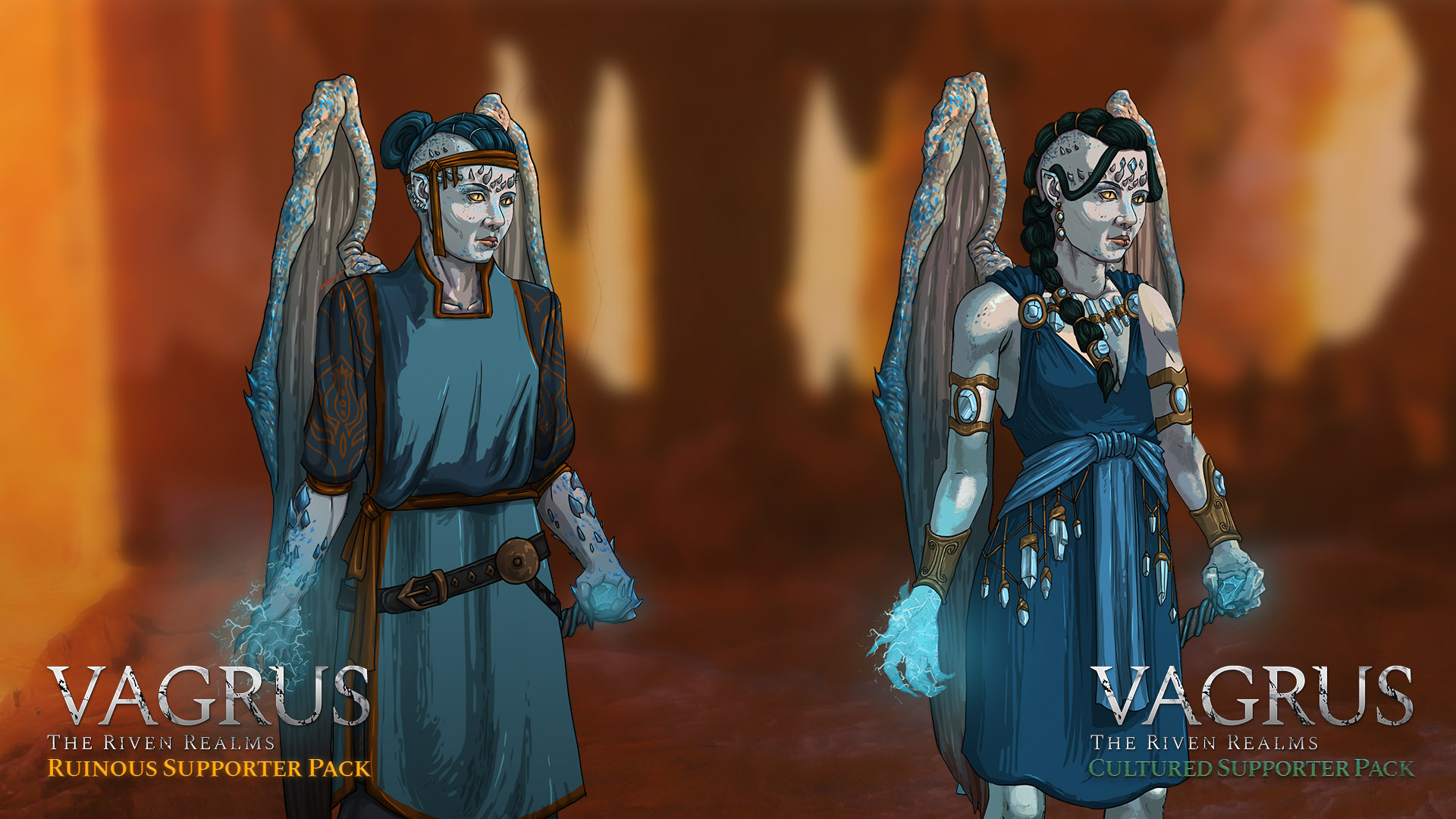
This week, we return to discussing design and lore considerations behind companion cosmetics from Supporter Packs, just like we did a couple of times before. The focus of this article is a great fan favorite, the naive but opinionated Dragonmage and envoy, Finndurarth. So what would she wear should you choose to support us by picking up one of these packs?
Vagrus is 5 years old! Over the past week, we’ve been looking back at the places, faces, and sounds of the Riven Realms, while asking you to share your own favorites. Thank you for joining the conversation and sharing the memories that made Vagrus special for you. Now we have asked our team about their favorite memories from the past five years. We are also coming with gifts, and besides the Anniversary Edition and the in-game banners, we’re also celebrating with a GIVEAWAY, where 5+5 lucky winners can choose a Vagrus key for their preferred platform.
The “Time of the Oldening” is almost upon us, as Vagrus turns to the respectable age of 5 years on the 5th October! The anniversary celebrations bring a new improvement patch, including a couple of small gifts for all our players. The name of the game’s base edition is changing to Anniversary Edition on Steam to reflect half a decade of improvements and free content – a better, improved Vagrus. In addition, in this article we’d also like to shout out one of our fellow developers and their cool new game, Retro Space.
Hey everyone,
While we were busy preparing the next update, we almost forgot that Vagrus is turning 5 in a few weeks! Yes, this means that some of you have been conquering the wasteland for half a decade, and we at Lost Pilgrims have been grinding at it for a few years more than that.
In any case, we thought to take a look at what Vagrus comprises now, 5 years after its initial release on October 5th.
Hey everyone,
Last week, we shared our Patreon Revamp Survey, and many of you have already taken the time to participate. Thank you so much!
The response has been incredibly encouraging. Most respondents have been with us since Early Access or the full release, and we’re seeing a strong interest in lore deep dives and concept art, as well as development updates, opportunities for minor involvement in content creation, merchandise, and TTRPG content.
For years, the Lost Pilgrims community has supported us in many different ways — by playing Vagrus, sharing their experiences with others, joining the conversation, and, for some of you, supporting us directly through Patreon.
We’re currently taking a fresh look at our Patreon and wondering what, if anything, we could do to make it more interesting and valuable to our community. And this is where we’d love your input. We’ve put together a short survey to better understand what people would actually want from a Lost Pilgrims Patreon. We’re interested in hearing from current supporters, former patrons, people who have considered joining, and people who have never used our Patreon at all.
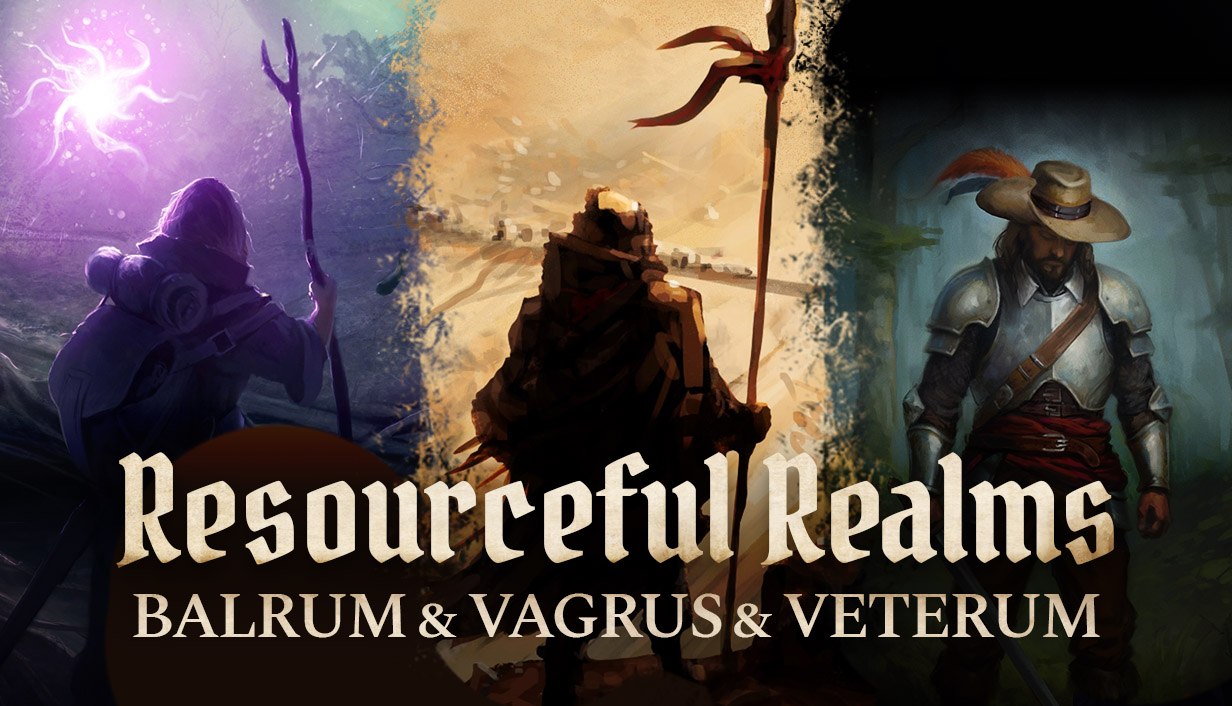
While we are sad to let summer go, we are happy to welcome the new season, which brings changes in many respects. We are bringing not only a new patch, but the announcement of an updated bundle that includes our fellow developer’s new game!
A New Addition to the ‘Resourceful Realms’ Bundle
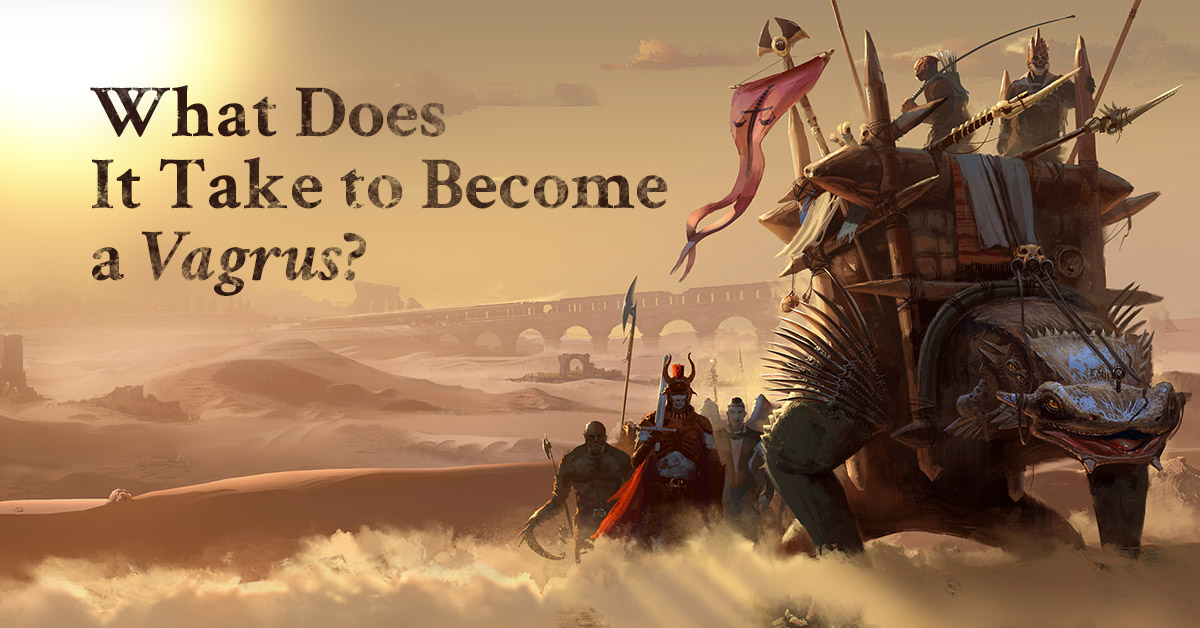
The time has come to sharpen your quills, dust off your scrolls, and return to your studies. Or, if you happen to live in the Riven Realms, perhaps also to sharpen your blades, inspect your beasts, and make sure your supplies will last until the next statio.
While there may not be a universally recognized academy capable of preparing someone for the life of a vagrus, surviving the wasteland requires a surprisingly broad education. A successful leader must be part explorer, merchant, commander, diplomat, warrior, and even historian. So, with the season of learning upon us, we thought we'd put together a rather unconventional curriculum.
In this series of “Revisited” articles, we’re taking a look at iconic or interesting locations in the playable part of the Riven Realms and invoke their unique atmosphere. Music plays a key role in building the game’s ambiance, and so we’ve decided to prepare short videos to get the vibe across.
BUY NOW ON


or follow us on



 Follow the development process:



©2024 Lost Pilgrims Studio


