



 NEWS
NEWS

In the video game industry of the last decade or so, it has become increasingly common and appealing to talk about involving players in developer decision making, though what this means exactly can vary greatly between projects. In this article, we’ll discuss some elements related to eliciting, handling, and incorporating player feedback in Vagrus, so if you are interested in how you all had an effect on this game, dive right in!
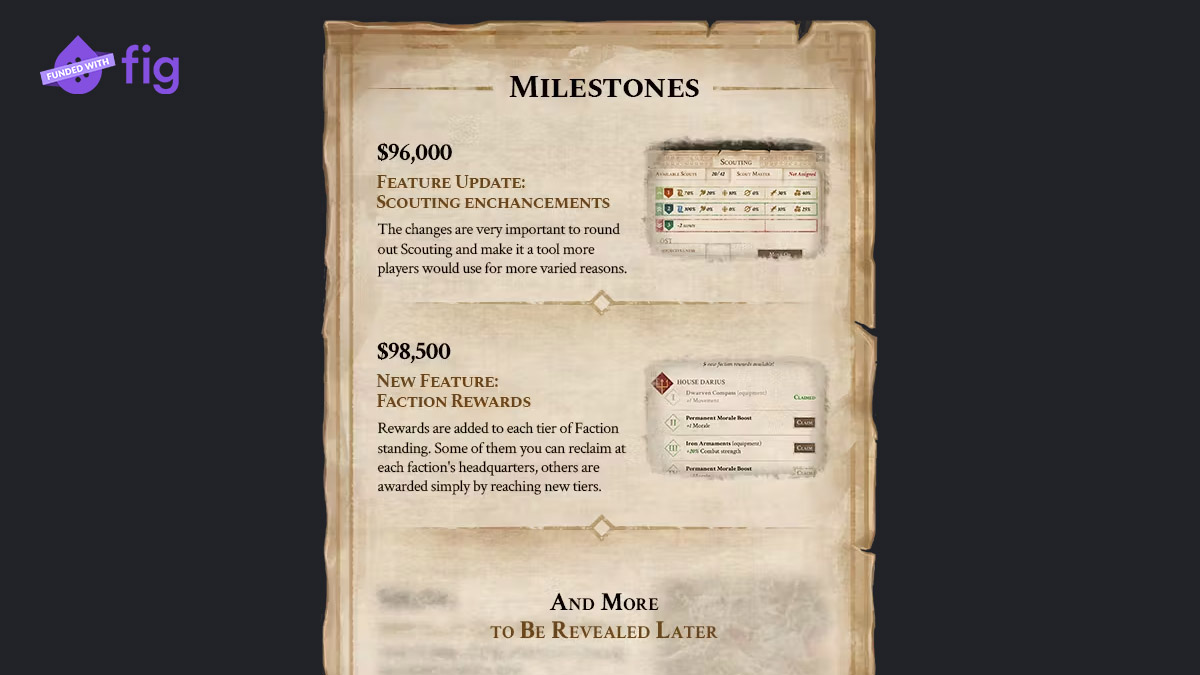
When we founded Lost Pilgrims and began early prototyping the game that was to become Vagrus, we already involved several friends in testing playable builds to get their feel on the concept. This inevitably led to some feedback that tweaked the plans, and soon afterward, more people chimed in from our crowdfunding campaign over at Fig (which has since closed down entirely).
These very early opinions did two major things. First, they baked into our development culture that we can and should reach out to players on specific topics or run ideas by them for a sense check. This is especially important for a tiny team like ours, we’ve always felt. Simply put, without extensive player feedback, there’s no way we’d be able to find all the issues and imbalances in Vagrus, and so whenever we thank players for their constructive criticism or activity in reporting issues, we are not giving out empty platitudes. You really do make a huge difference.
The other conclusion we drew from the first year of feedback was the sweet spot of narrative balance and depth that we and most of the players liked. Early testers played ‘Pilgrims of the Wasteland’, which is admittedly on the heavy narrative side, and they kept pushing for more, citing that it made the game stand out and feel lived-in. Thus, we went in that direction, but reduced the narrative complexity of the early main campaign. That, together with the way the open world gameplay inevitably places breaks between narrative bits, helped form and define the final flow of Vagrus’s narrative framework. In short, how we ended up with a lot of writing and story was based on players’ choice, but it slowed down production considerably, especially considering the quality standard we set for ourselves.
Later on, the other field where a lot of player feedback formed the end result was, of course, combat. Originally, there was one combat type, where the Companions would be front and center, because it was what the RPG side of Vagrus required and we also put a lot of effort into making these fully-realized characters. Its pacing did not sit well with a lot of vocal players, however, who were looking for skippable combat encounters, especially random ones. We also knew that with the travel and management aspects of the game including a sizable crew, we should also have a combat type where all the comitatus fights.
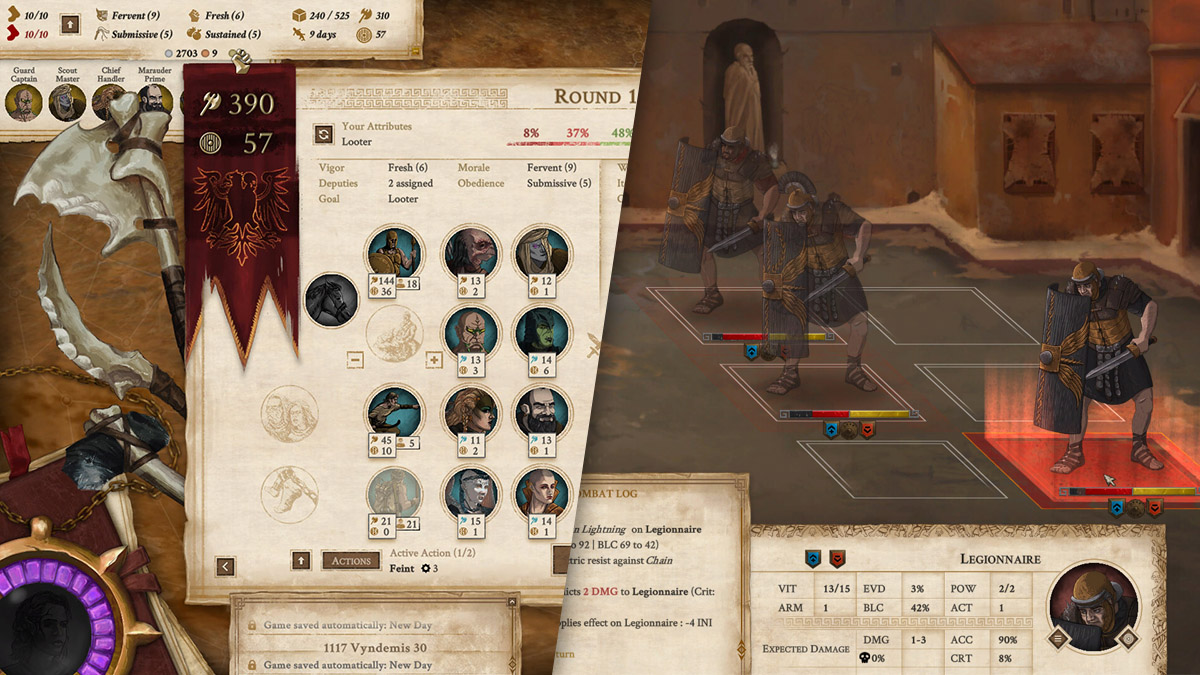
Thus, we brought the development of Crew Combat ahead of when we originally planned adding it. This rounded out the game with random encounters during travel, but we made it so that those who enjoy Companion Combat more can do just that inside Crew Combat to make it more appealing in general; in some cases even circumventing most of it. The other camp, who wanted quicker combat with less tedium, could now conclude Crew Combat encounters pretty fast.
Although most players today do not remember this, the original plan for Companion Combat did not include idle animations. During Early Access, the overwhelming feedback on this aspect was fairly unified: animations would add a lot to a mostly static 2D combat. It wasn’t easy to animate over two hundred sprites in Unity with what we had available back then, but we committed to it and received generally favorable reactions. We’ve been improving these animations ever since.
Another example of player feedback changing development direction was also during Early Access. We were set to work more on the two types of combat, but the general feedback for the aspects of the game made us reconsider. Actually, most players wanted more clarity and variance on the game’s economy system, so that they can actually survive long enough to fight. Who knew! Thus, Faction Tasks were introduced, which not only solved early economy issues, but also introduced Factions and sent players down the path of gaining Reputation.
There are matters in which we keep steadfastly to our own vision. If it were otherwise, the game would end up becoming a mish-mash of ideas. One example would be that some players felt apprehensive about seeing the whole continent's details on the Chart, mostly because they felt disappointed when they realized they cannot get everywhere. While we understand the concern, we really wanted to keep the immersion as high as possible – that this is a living, breathing world, where people know and talk about places that are far away. Hiding all that detail on the Chart specifically would’ve felt odd.
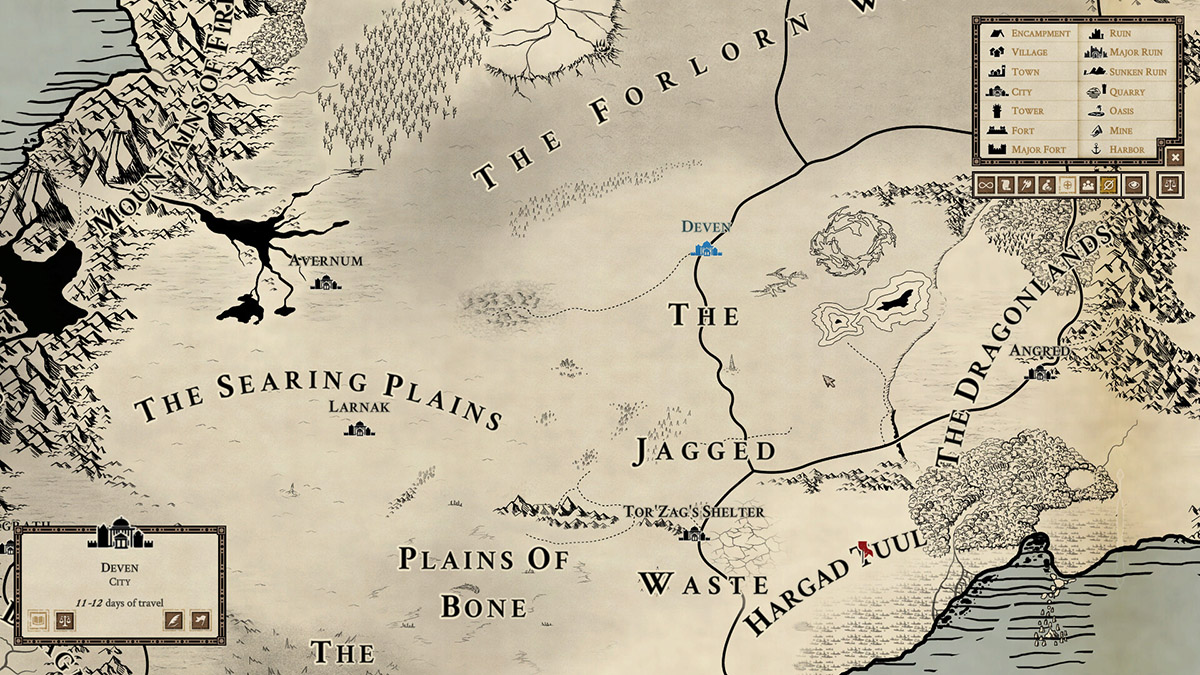
However, some were concerned that the Chart as it is suggested that perhaps quest progression would unlock further territories. While that is true in some cases, it is not so in others, which is understandably not great. We’re now reacting to this following other suggestions: including warnings after the game texts where the path will never open. This, although still immersion breaking, was considered low key enough to be added, so you will see it soon. Hopefully, it will prevent some players from trying to unlock something that is not there.
Naturally, not all feedback makes it even to a consideration stage. For one, we have quite a lot of active platforms where our players communicate with us, and being a small team, we can’t always collate suggestions in an entirely exhaustive manner. We usually gather the most intriguing and most constructive ones to discuss internally, often tweaking suggestions and ideas, or even gleaning some other solution from how players want to go about it. Unsurprisingly, feedback that is articulated well, is constructive in its criticism, and is touched upon by many players tends to get the attention, though there have been exceptions. That said, now, towards the end of Vagrus’s development and market life-cycle, resources for large changes are limited, so we do not expect such big shake-ups to occur.
That is all for now, and hopefully, if you’ve reached this point, you’ve learned something interesting about the organic, ever-changing process of player feedback here at Lost Pilgrims. We’re always interested in your thoughts about the game, so reach out to us (the best way is our discord or the in-game reporting tool for suggestions)! And, as always, stay safe, stay awesome, and conquer the wasteland!
– The Lost Pilgrims Team
Steam | GoG | Discord | Patreon | Youtube | Twitter | Facebook | Instagram
BUY NOW ON


or follow us on



 Follow the development process:



©2024 Lost Pilgrims Studio